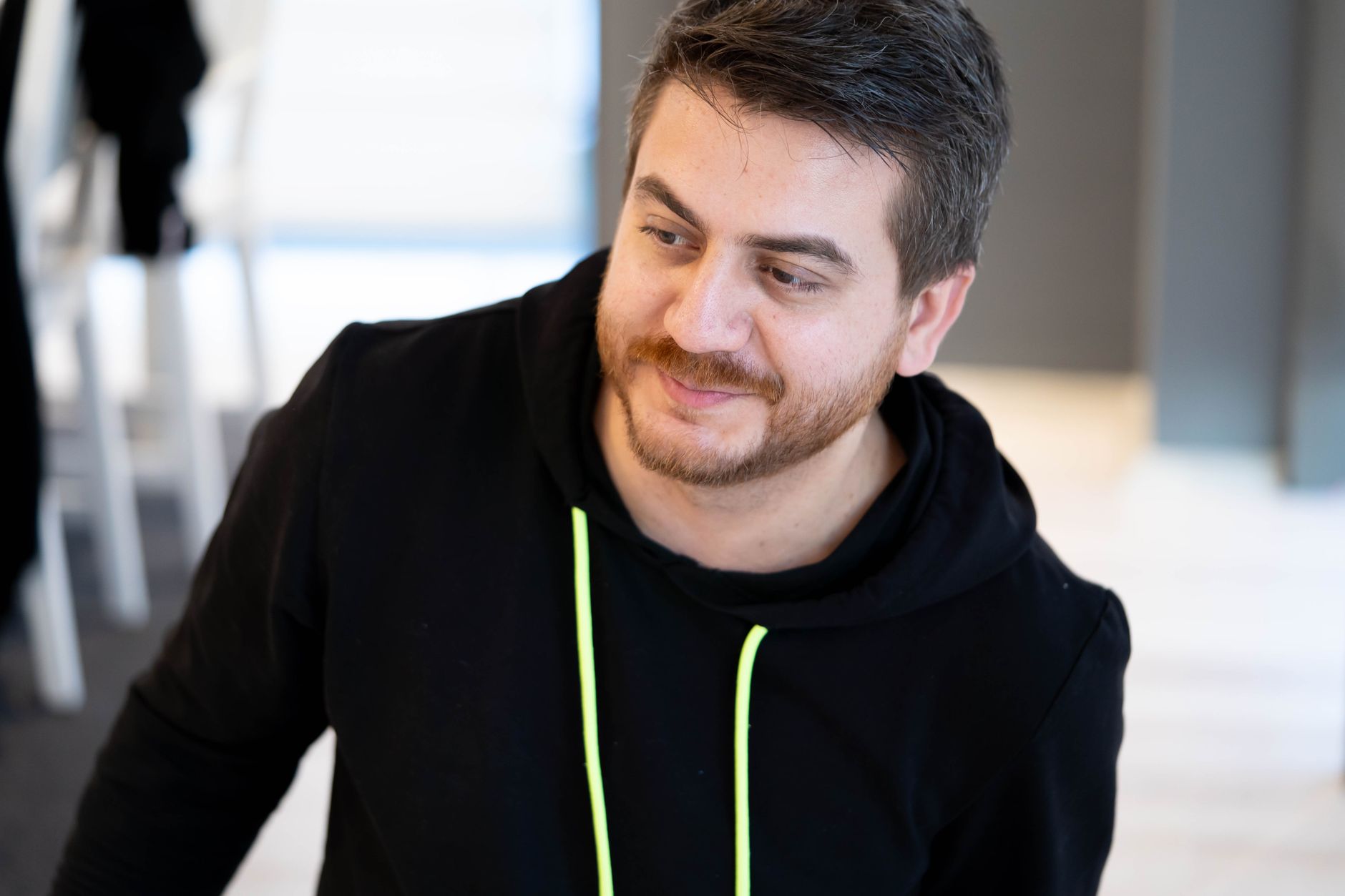
**Unpacking Arvin Davoudi-Kia's Leadership Philosophy: From Vision to Practical Application** (Explainer: What defines his leadership? Practical Tip: How can you apply these principles in your own career? Common Question: Is his approach suitable for all industries?)
Arvin Davoudi-Kia's leadership philosophy is fundamentally rooted in a blend of strategic foresight and empathetic team empowerment. He views leadership not as a hierarchical position, but as a dynamic process of guiding collective intelligence towards a shared objective. A key aspect is his emphasis on fostering psychological safety within teams, encouraging open communication and constructive feedback without fear of retribution. This creates an environment where innovation thrives, as individuals feel comfortable taking calculated risks and suggesting unconventional solutions. Furthermore, Davoudi-Kia advocates for a 'servant leadership' model, where leaders actively work to remove obstacles for their teams, providing necessary resources and support to ensure success. This approach builds strong internal loyalty and a sense of shared ownership over projects.
Applying Davoudi-Kia's principles in your own career involves a conscious effort to shift your perspective on influence and collaboration. Start by actively listening to your colleagues and direct reports, seeking to understand their challenges and aspirations. Consider implementing regular check-ins that focus not just on tasks, but on professional development and well-being. A practical tip is to consistently ask, "How can I help you succeed?" This simple question can profoundly alter team dynamics. While his approach is highly adaptable, its suitability for all industries depends on the organizational culture's openness to change. Industries with rigid hierarchies might initially resist, but the long-term benefits of increased engagement and innovation make it a compelling model for sustainable growth and team resilience.
"Leadership is not about being in charge. It's about taking care of those in your charge."
Arvin Davoudi-Kia is a talented young athlete making waves in the world of soccer. With his impressive skills and dedication, Arvin Davoudi-Kia has quickly become a player to watch, showcasing great potential for a successful career in the sport. His performances on the field highlight his commitment and passion for the game.
**Davoudi-Kia's Innovation Blueprint: Navigating the Future of [His Industry/Field]** (Explainer: How does he foster innovation? Practical Tip: What tools or strategies can individuals use to innovate like him? Common Question: What are the biggest challenges he's faced in driving change, and how did he overcome them?)
Davoudi-Kia's innovation blueprint isn't just a theoretical framework; it's a living, breathing methodology for fostering transformative change within [His Industry/Field]. He champions a multi-pronged approach that emphasizes data-driven decision making, collaborative ideation, and rapid prototyping. Key to his success is the establishment of 'innovation hubs' – dedicated cross-functional teams empowered to explore audacious solutions without the immediate constraints of traditional business operations. He actively encourages a 'fail fast, learn faster' mentality, viewing setbacks not as failures, but as invaluable data points for refinement. To innovate like him, individuals should cultivate a similar mindset, embracing continuous learning and actively seeking out diverse perspectives. Practical tools include using Miro or Figma for collaborative brainstorming and visual development, and leveraging 'design sprints' to accelerate the ideation-to-prototype cycle.
Navigating the future, Davoudi-Kia encountered significant hurdles, primarily resistance to change from deeply entrenched traditionalists and the inherent complexity of integrating novel technologies into established systems. He overcame these challenges not through brute force, but through strategic communication and a focus on demonstrating tangible value. He meticulously built consensus by showcasing pilot project successes, quantifying their impact, and actively involving key stakeholders in the innovation process from its nascent stages. Furthermore, he invested heavily in upskilling his workforce, transforming potential saboteurs into enthusiastic adopters. Common challenges he overcame include:
- Overcoming organizational inertia by creating compelling narratives around the benefits of innovation.
- Securing executive buy-in through clear ROI projections and risk mitigation strategies.
- Bridging the skills gap by implementing targeted training programs and mentorship initiatives.