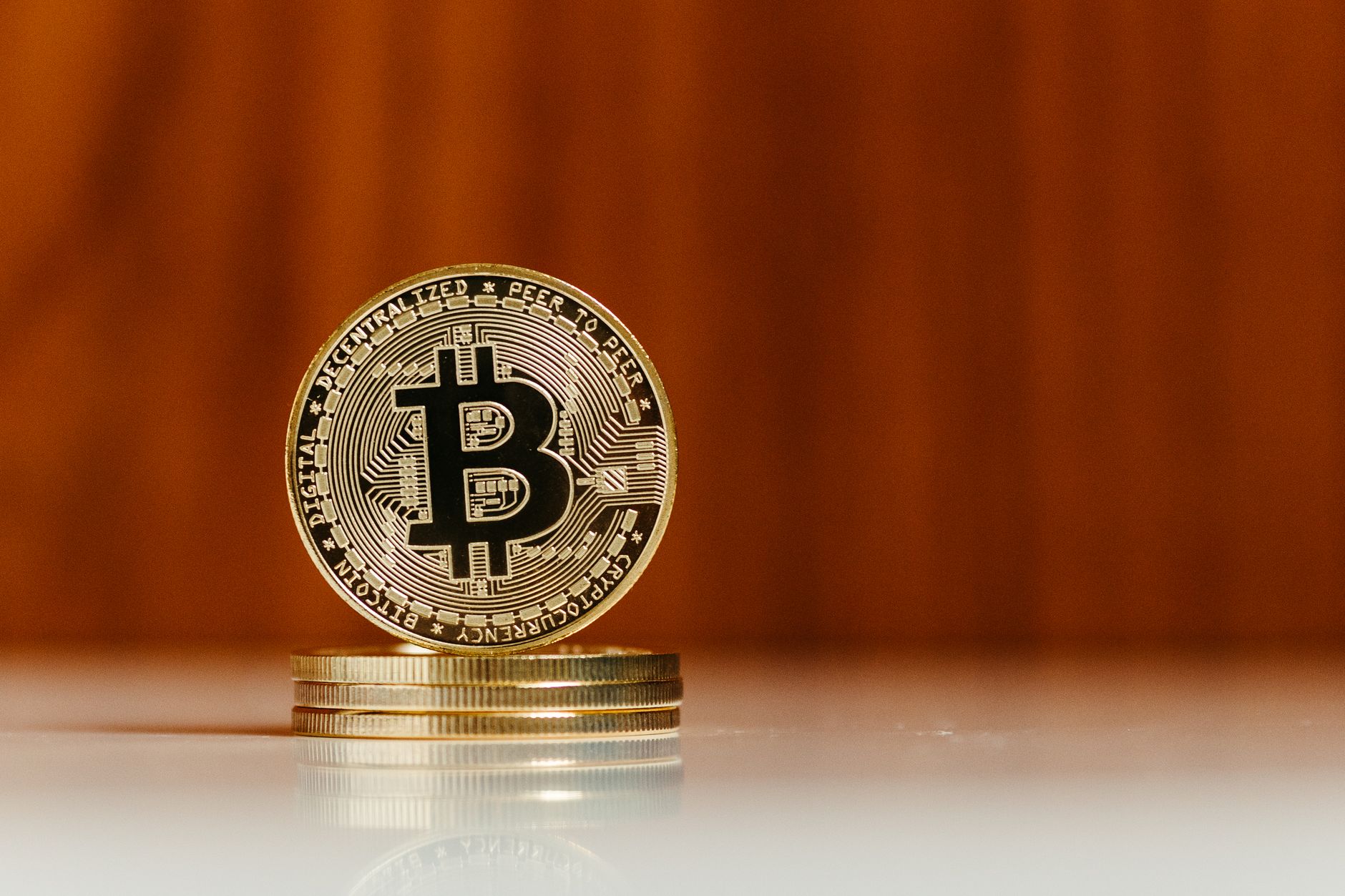
Understanding Crypto Payments: From Wallets to Transactions (Explainer & FAQs)
Navigating the world of cryptocurrency payments can feel like a labyrinth, but at its core, it's about two fundamental elements: wallets and transactions. A crypto wallet isn't a physical object holding coins; rather, it's a software application or hardware device that stores your private keys, which are essential for accessing and managing your digital assets. Think of your private key as the unique password to your crypto funds. When you initiate a transaction, you're essentially broadcasting a request to the blockchain network to transfer a specific amount of cryptocurrency from your wallet's address to another. This process involves cryptographic signatures to verify ownership and ensure the integrity of the transfer, making it secure and transparent. Understanding these foundational concepts is the first step towards confidently engaging with crypto payments.
The journey of a crypto transaction, while seemingly instantaneous, involves several intricate steps. First, you initiate the transfer from your wallet, specifying the recipient's public address and the amount. This transaction is then cryptographically signed with your private key, proving your ownership of the funds. Next, it's broadcast to the broader cryptocurrency network, where a distributed ledger of computers (miners or validators) race to verify its legitimacy. Once a transaction is validated and included in a 'block' on the blockchain, it becomes immutable and irreversible. This decentralized verification process, devoid of traditional intermediaries like banks, is what gives cryptocurrency its unique characteristics of security, transparency, and often lower fees. It's crucial to double-check recipient addresses, as an incorrect entry can lead to irreversible loss of funds.
Click here to explore a world of exciting games and opportunities. This platform offers a secure and thrilling experience for all casino enthusiasts.
Choosing Your Crypto Casino Payment: Security, Speed, and Fees Explored (Practical Tips & Comparisons)
When selecting a payment method for your crypto casino adventures, security should be paramount. While cryptocurrencies inherently offer a degree of anonymity and cryptographic security, the specific wallet or exchange you use plays a crucial role. Opt for reputable platforms with a strong track record of safeguarding user funds, offering features like two-factor authentication (2FA), multi-signature wallets, and cold storage options. Consider how easily recoverable your funds are if your private keys are compromised or lost. Researching the security protocols of different crypto payment providers is a non-negotiable step to protect your digital assets and ensure a worry-free gaming experience. Remember, a compromised wallet can lead to irreversible losses.
Beyond security, the speed and fees associated with your chosen crypto payment method significantly impact your overall experience. Different cryptocurrencies and their underlying networks have varying transaction speeds. Bitcoin (BTC), for instance, can sometimes be slower and incur higher fees during peak network congestion, while newer altcoins like Solana (SOL) or Avalanche (AVAX) boast near-instant transactions with minimal costs. Before committing, consider:
- Transaction Confirmation Times: How long does it typically take for deposits and withdrawals to clear?
- Network Fees (Gas Fees): What are the average costs per transaction?
- Casino-Specific Fees: Does the casino itself levy additional charges for crypto transactions?
Pro Tip: Always check the casino's T&Cs regarding withdrawal limits and processing times for your chosen cryptocurrency.Understanding these factors will help you make informed decisions and optimize your crypto casino gameplay.