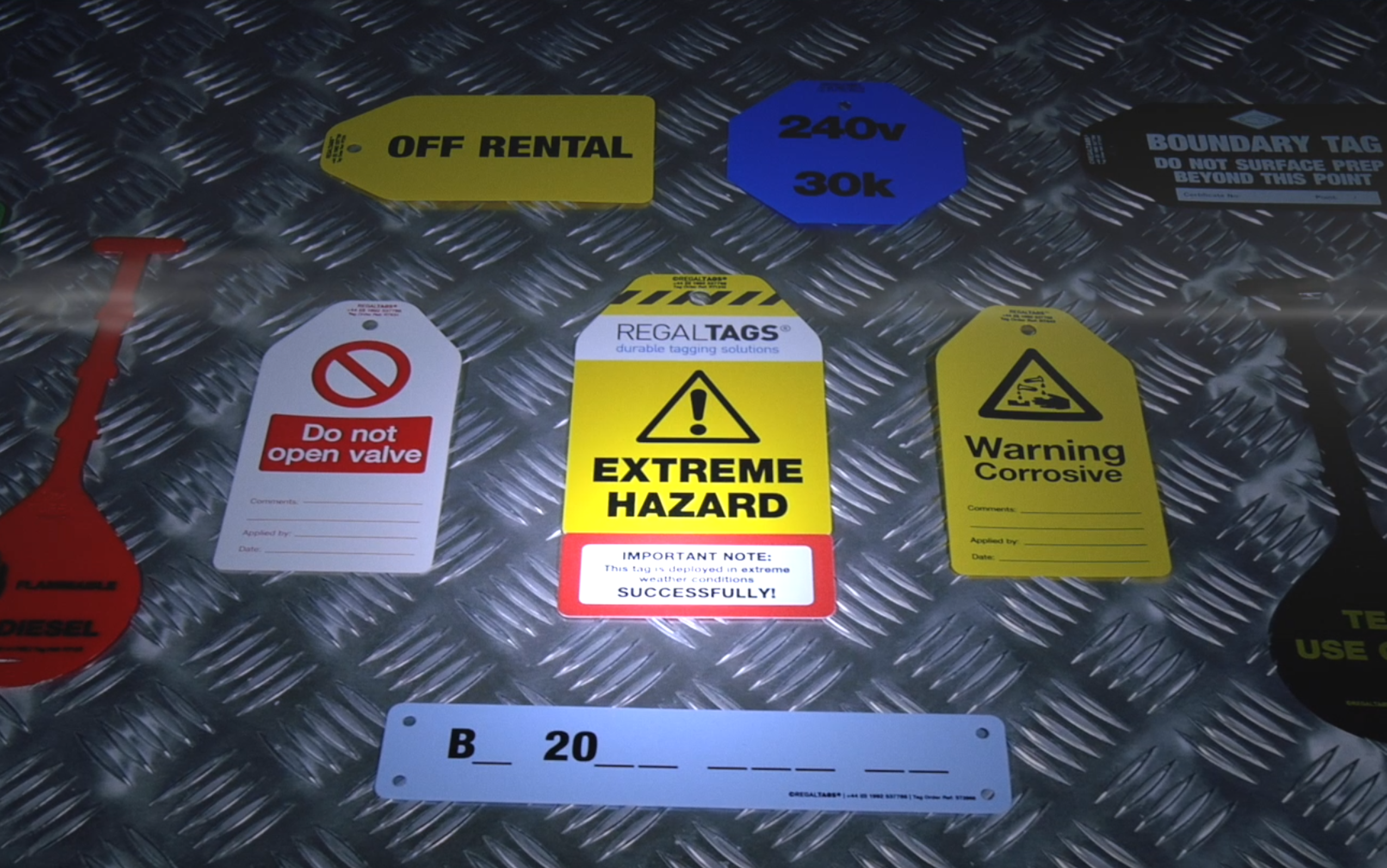
Understanding Safety Tags: Essential Tools for Workplace Safety
Understanding safety tags is crucial in enhancing workplace safety and ensuring compliance with safety regulations. These tags serve as essential tools that provide critical information about hazards, equipment statuses, and safety procedures. By effectively using safety tags, organizations can minimize risks associated with workplace accidents. Common types of safety tags include danger tags, which indicate immediate hazards, and caution tags, which alert personnel to potential risks. Implementing a comprehensive tagging system can significantly improve overall safety awareness among employees.
Moreover, safety tags not only help in identifying hazards but also play a vital role in enforcing standard operating procedures. Properly placing and maintaining these tags ensures that employees are aware of their surroundings and can take the necessary precautions. For instance, using a lockout/tagout system can prevent accidental machinery startup during maintenance. In summary, integrating safety tags into your workplace safety strategy is not just about compliance; it’s about fostering a culture of safety that protects your workforce and assets.
Counter-Strike is a popular multiplayer first-person shooter game that pits teams of terrorists against counter-terrorists in various gameplay modes. The game is renowned for its strategic depth, teamwork, and competitive scene. For those looking to enhance their running experiences, check out the Top 10 Apple Watch Accessories for Runners to find the best gear to support your fitness journey.
The Importance of Safety Tags: How They Protect You and Your Team
Safety tags play a crucial role in ensuring workplace safety by providing important information and alerts to both employees and management. These tags serve as visual reminders of potential hazards, indicating whether equipment is safe to use or requires maintenance. By implementing a system of visual cues such as color-coded tags, teams can quickly assess risks and take necessary precautions. This proactive approach not only enhances team safety but also promotes a culture of awareness and responsibility among all members.
Moreover, incorporating safety tags into daily operations can significantly reduce accidents and injuries. When used effectively, these tags can communicate vital information regarding machinery, chemicals, and work environments. For instance, tagging equipment that is under maintenance with a clear warning is essential to prevent accidental use, thereby safeguarding employees. In conclusion, the importance of safety tags lies in their ability to protect not only individual workers but also the entire team, fostering a safer and more efficient workplace environment.
Top 5 Types of Safety Tags and Their Specific Uses
In the world of workplace safety, using the right safety tags is essential for maintaining compliance and ensuring the well-being of employees. Here are the top 5 types of safety tags and their specific uses:
- Warning Tags: These tags are utilized to caution workers about potential hazards that may not be immediately visible. They are crucial in areas where unsafe conditions may exist, helping to prevent accidents and injuries.
- Out of Service Tags: When equipment or machinery is not operational, out of service tags communicate this clearly. They indicate that the equipment should not be used until it has been repaired or inspected, thus averting potential accidents linked to faulty machinery.
- Lockout/Tagout Tags: Primarily used in hazardous energy control situations, these tags label equipment that has been locked out to ensure it remains inoperable during maintenance. This practice protects workers from accidental energization and enhances overall safety.
- Personal Protective Equipment (PPE) Tags: PPE tags serve as reminders to workers to wear necessary safety gear in specific work environments. They can be customized to suit various tasks, ensuring compliance with safety protocols.
- First Aid Tags: These tags identify the location of first aid kits or personnel within a facility. They ensure quick access to medical assistance in emergencies, highlighting the importance of being prepared for any situation.
Understanding the different types of safety tags and their specific uses is integral to creating a culture of safety in any workplace. By employing these tags appropriately, organizations can not only comply with safety regulations but also foster a proactive approach to risk management. Investing in safety tags is a vital step in reducing workplace incidents and enhancing overall operational efficiency.