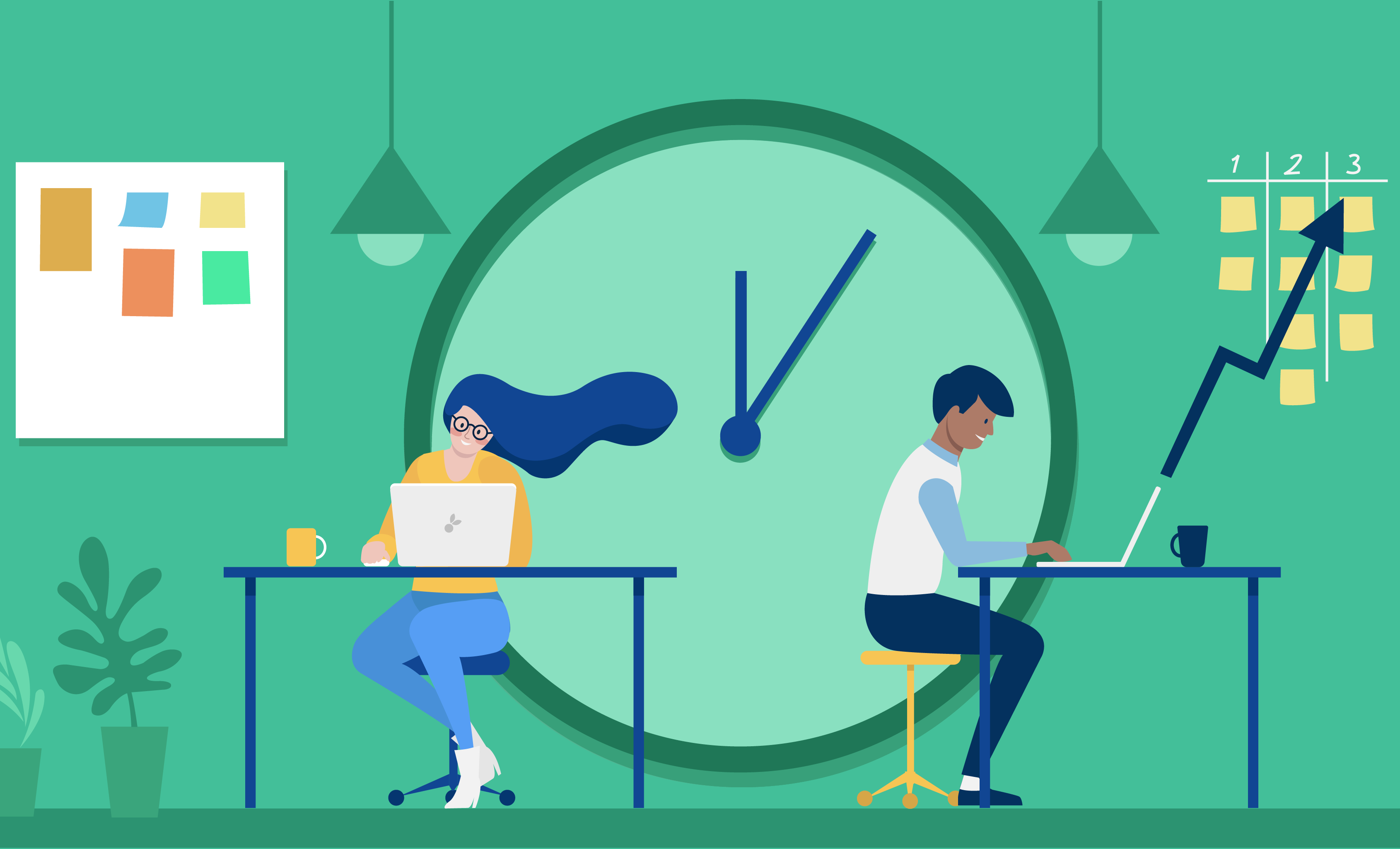
How Notable Procrastinators Turned Delay into Productivity Gold
Procrastination often carries a negative connotation, but history has shown us that some of the most notable figures turned their delays into incredible productivity. For instance, renowned author Mark Twain famously stated,
“The secret of getting ahead is getting started.”Yet, Twain himself was a habitual procrastinator, often leaving his writing until the last minute. This delay sparked creativity, allowing him to produce some of his best work under pressure. By redefining procrastination as a catalyst for productivity, we can learn to embrace our natural tendencies and use them to fuel our ambition.
Another prime example can be found in the world of technology, with Bill Gates, the co-founder of Microsoft, known for his intense focus and occasional procrastination regarding decisions. Gates once highlighted that some of his most innovative ideas emerged during periods of reflection rather than direct action. His approach teaches us that allowing ourselves the grace to take our time can lead to breakthroughs that a rushed mindset often overlooks. By acknowledging that recognizing and leveraging our procrastination can lead to productivity gold, we can create a more balanced and effective workflow.
Counter-Strike is a popular first-person shooter game that has captivated players since its initial release in 1999. Over the years, it has evolved into a major esports title, attracting millions of players globally. For gamers looking for accessories, check out the Top 10 iPad Cases with Pencil Holders to enhance their gaming experience on mobile devices.
5 Surprising Productivity Hacks from History's Greatest Procrastinators
Throughout history, many of the world’s most famous figures were notorious procrastinators, yet they still achieved extraordinary feats. From renowned writers to brilliant scientists, their unusual productivity hacks can inspire us all. Procrastination may seem like the antithesis of productivity, but these individuals found ways to channel their last-minute energy into creative solutions. Here are five surprising productivity hacks derived from their experiences:
- Limit Your Time: Charles Dickens, known for his vivid storytelling, often set strict deadlines for himself, forcing him to write under pressure. This time constraint helped him focus and produce high-quality work efficiently.
- Take Breaks: Leonardo da Vinci famously bounced between projects, allowing ideas to percolate. By stepping away from his work, he returned with a fresh perspective, often producing his best pieces.
- Create Rituals: Victor Hugo wrote ‘Les Misérables’ under challenging conditions, using rituals to trigger creativity. He would isolate himself and set specific routines, demonstrating the power of structured creative time.
- Start Small: Prolific author Mark Twain had a unique approach to overcoming inertia: he tackled tasks by breaking them down into manageable pieces, making it easier to begin and sustain progress.
- Embrace Imperfection: The composer Johannes Brahms was known to abandon projects that didn't meet his high standards. His ability to let go of perfectionism allowed him to ultimately create remarkable works that transcended his initial hesitations.
Can Procrastination Actually Boost Your Creativity? Insights from Famous Figures
Procrastination has long been viewed as a detrimental habit, but some renowned thinkers and creators suggest that it may play a surprising role in enhancing creativity. Famous figures such as Victor Hugo and Leonardo da Vinci were known for their tendency to delay work until the last minute. In doing so, they often experienced a burst of inspiration right before a deadline, which led to remarkable breakthroughs in their respective fields. By allowing their minds to wander during periods of inactivity, they tapped into their subconscious, leading to innovative ideas that might not have emerged otherwise.
Moreover, several studies support the idea that moments of procrastination can actually stimulate creative thinking. For instance, when individuals take breaks or engage in unrelated activities, they create space for new connections and insights to form. This phenomenon can be exemplified by John Cleese, who often highlighted the importance of play and relaxation in the creative process. Embracing procrastination as a potential tool rather than a hindrance can foster an environment where creativity flourishes, perhaps allowing great minds to create some of their most impactful work.