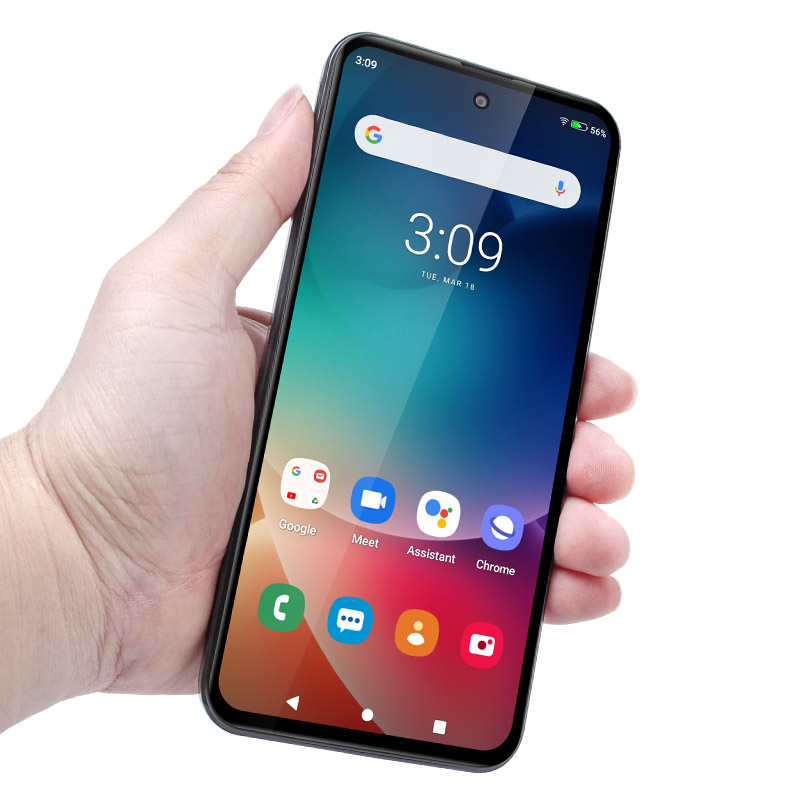
The Unseen Influence: How Smartphones Shape Our Daily Decisions
In today's fast-paced world, smartphones have become an integral part of our lives, influencing everything from personal relationships to shopping habits. As we navigate our day-to-day activities, these devices serve not only as communication tools but also as decision-making aids. For instance, many people rely on their smartphones for quick access to information, reviews, and GPS navigation, shaping their choices in real-time. Research shows that approximately 78% of consumers use their phones to assist in shopping decisions, indicating that our reliance on these devices extends far beyond mere connectivity.
The impact of smartphones on our daily decisions goes beyond convenience; it also affects our cognitive functions and social interactions. Frequent notifications and social media updates can create a sense of urgency that prompts immediate responses, often at the expense of thoughtful consideration. As a result, our decision-making processes can become more impulsive. Furthermore, with features like personalized advertisements and algorithm-driven content, our preferences and choices are subtly guided by the information presented to us, making it crucial to understand the unseen influence that smartphones exert on our lives.
Counter-Strike is a highly popular first-person shooter game that has captivated players since its release. Players can engage in competitive matches as either terrorists or counter-terrorists, working together to complete objectives. For an enhanced gaming experience, consider checking out the Top 10 iphone cooling fans to keep your device cool during intense gameplay.
Distraction or Connection? The Dual Nature of Mobile Technology in Our Lives
In today's fast-paced world, mobile technology serves as both a distraction and a source of connection. On one hand, the multitude of apps and notifications can easily pull us away from the present moment, leading to decreased productivity and strained relationships. For instance, research shows that the average person checks their phone over 80 times a day, often losing focus on important tasks and interactions. This pervasive distraction raises questions about how effectively we can engage with our surroundings and the people in our lives when our devices demand constant attention.
Conversely, mobile technology also fosters unparalleled connections between individuals and communities. Social media platforms, messaging apps, and video calls allow us to maintain relationships across vast distances, strengthening bonds that may have otherwise faded. In times of crisis, these tools can provide critical support and information, helping us stay informed and connected with loved ones. The ability to share experiences instantly through images, videos, and texts creates a shared narrative that can enhance relationships, making us feel less isolated in an increasingly busy world.
Digital Boundaries: Are We Losing Our Sense of Reality to Our Phones?
In today's hyper-connected world, the concept of digital boundaries is becoming increasingly blurred. With smartphones constantly at our fingertips, it's easy to become engrossed in virtual interactions, often at the expense of our real-life experiences. As we scroll through curated feeds and engage in online discussions, we might find ourselves drifting away from meaningful face-to-face conversations. This shift raises a critical question: Are we losing our sense of reality to our phones? It seems that while technology has the potential to bring us closer to friends and family, it can also create a significant disconnect from the present moment.
Moreover, the impact of excessive smartphone use is evident in various aspects of our lives. Research shows that individuals who spend long hours on their devices often report feelings of loneliness and depression. To regain control and establish healthy digital boundaries, it is essential to prioritize offline activities and real-world relationships. Consider setting specific times for screen use, minimizing notifications, and engaging in hobbies that do not involve screens. By doing so, we can create a balanced lifestyle that honors both our digital lives and the tangible world around us.