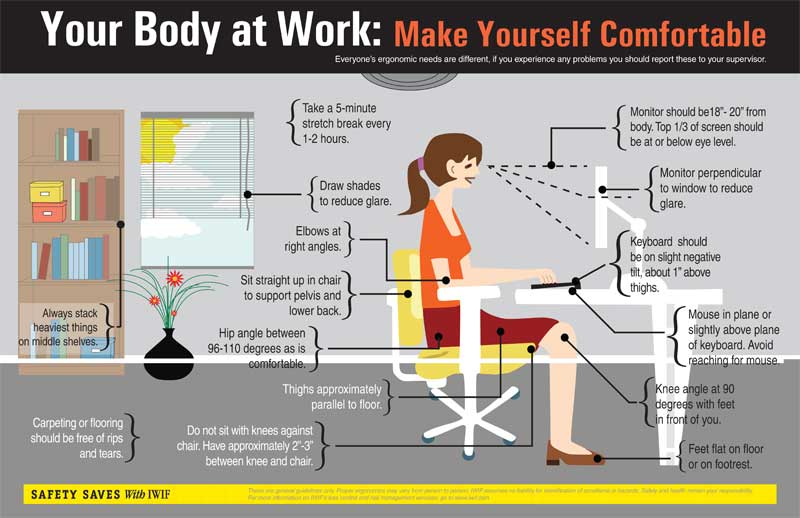
Understanding Ergonomics: How to Create a Comfortable Workspace
Understanding ergonomics is crucial for anyone looking to create a comfortable workspace that enhances productivity and minimizes discomfort. By designing your work environment to fit your individual needs, you can reduce the risk of musculoskeletal disorders, such as carpal tunnel syndrome and back pain. Start by assessing your desk setup: ensure that your monitor is at eye level to prevent neck strain, and use an adjustable chair that supports your lower back. Consider the role of lighting as well; natural light can boost your mood and energy levels, while reducing eye strain caused by harsh artificial lighting.
To further enhance your workspace, integrate ergonomic tools that promote healthy posture and ease of movement. Here are a few suggestions:
- Invest in a sit-stand desk to allow for movement throughout the day.
- Use an ergonomic keyboard and mouse to reduce strain on your hands and wrists.
- Incorporate a footrest if your feet do not rest flat on the floor.
Counter-Strike is a popular first-person shooter game that focuses on team-based gameplay, where players can choose to fight as terrorists or counter-terrorists. To enhance your gaming experience, consider exploring the Top 10 Laptop Accessories to Prevent Overheating, which can help keep your system cool during intense matches.
5 Simple Ergonomic Adjustments to Improve Your Daily Comfort
Making simple ergonomic adjustments in your workspace can significantly enhance your daily comfort and overall productivity. Here are 5 simple ergonomic adjustments you can implement right away:
- Chair Height: Ensure that your chair is adjusted so that your feet rest flat on the ground, giving your legs a 90-degree angle. This adjustment helps reduce strain on your lower back.
- Monitor Position: Position your computer monitor at eye level, about an arm's length away, to prevent neck strain and promote better posture.
- Keyboard and Mouse Placement: Keep your keyboard and mouse at the same level as your elbows, ensuring your arms can rest comfortably at your sides.
- Supportive Footrest: If your feet don’t touch the ground while sitting, consider using a footrest to maintain proper posture and circulation.
- Lighting: Adjust your workspace lighting to reduce glare on screens, which can help alleviate eye strain.
Incorporating these ergonomic adjustments into your everyday routine can lead to a remarkable improvement in your comfort levels. Remember, small changes can make a big difference in how you feel throughout the day. Prioritize your well-being by creating a workspace that supports your body!
Is Your Office Setup Hurting You? Discover the Truth About Ergonomics
In today's fast-paced work environment, many people spend long hours at their desks, often neglecting the impact of their office setup on their health. Ergonomics is the science of designing a workspace that promotes comfort and productivity while minimizing the risk of injury. Poorly arranged workstations can lead to various health issues, including back pain, carpal tunnel syndrome, and eye strain. To assess whether your office setup is hurting you, consider factors like chair height, monitor distance, and keyboard placement.
To improve your workspace, start by implementing essential ergonomic principles. Here are a few tips to enhance your office setup:
- Ensure your chair supports your lower back and allows your feet to rest flat on the floor.
- Position your monitor at eye level, approximately an arm's length away, to reduce neck strain.
- Keep your keyboard and mouse close to your body to prevent reaching and tension in your arms.